Share this article
Every year on 3rd June, World Bicycle Day celebrates the bicycle as a simple, sustainable, and accessible form of transport.
Yet as cycling continues to grow across Scotland and the wider UK, so too does a challenging conversation about how cyclists, motorists, pedestrians, and other road users coexist safely.
For World Bicycle Day 2026, it’s worth examining a growing issue that affects communities across the country, particularly in cities like Glasgow: the increasing division between cyclists and other road users.
While debates around road space, cycling infrastructure, and road safety often become heated, the reality is that everyone benefits from safer roads and greater mutual understanding.
Rising Cycling Accidents Highlight Safety Concerns
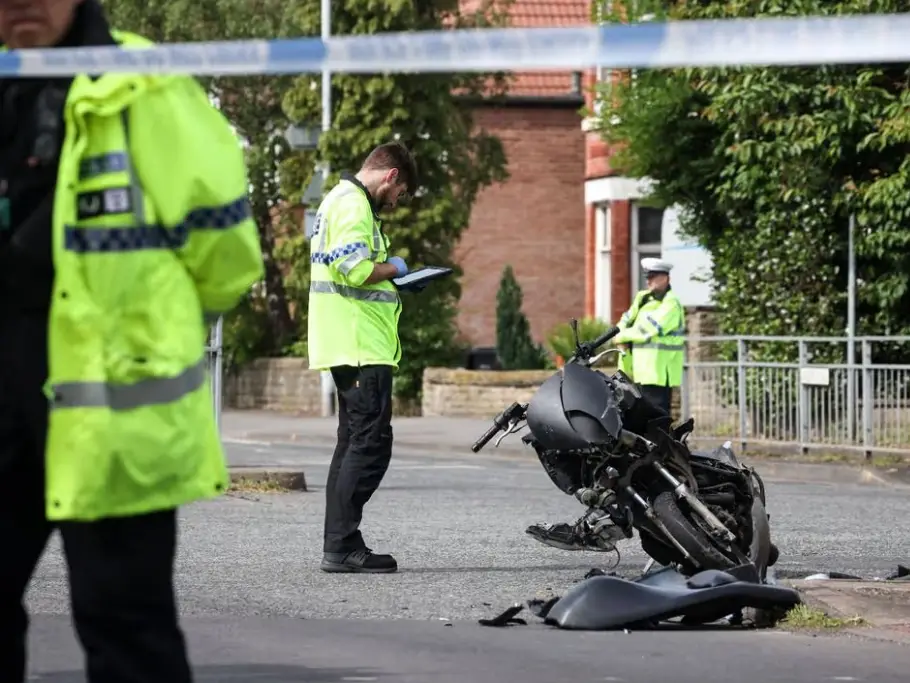
Recent figures have brought renewed attention to the risks faced by cyclists on Britain’s roads. During 2025, more than 4,300 people were killed or seriously injured while travelling on two wheels, representing a 14% increase compared to 2024 – the fastest annual rise recorded in the past decade.
At the same time, overall road casualties increased by 4% in 2025, although long term trends still show a slight decline in fatalities and serious injuries. One factor discussed by road safety experts is the deteriorating condition of roads across the UK.
Potholes have become a major concern for motorists and cyclists alike. While drivers often face costly vehicle repairs, cyclists are particularly vulnerable. A damaged road surface that might result in a puncture for a car can cause a cyclist to lose control, leading to serious injury.
In many cases, poor road maintenance presents a shared risk that affects all road users, regardless of how they travel.
Glasgow’s Changing Streetscape
The discussion surrounding cycling infrastructure has become increasingly visible in Glasgow as the city continues to invest in new cycle lanes and active travel routes.
Supporters argue that dedicated cycling infrastructure improves safety, encourages healthier lifestyles, reduces congestion, and helps meet environmental targets. However, not everyone agrees with the approach.
Research into public attitudes towards cycling infrastructure has found that the strongest opposition often is less about cyclists themselves and more about the execution. Many critics argue that public funds would be better spent addressing issues such as potholes and road maintenance before investing in additional cycle lanes.
These concerns are understandable, particularly given the poor condition of many roads across Scotland. However, framing the debate as a choice between motorists and cyclists risks overlooking a simple reality: both groups rely on safe, well-maintained infrastructure.
Understanding the Growing Divide
The relationship between cyclists and drivers has long been a source of debate. In recent years, social media, local news coverage, and online discussions have often amplified frustrations on both sides.
Many drivers feel cyclists should make greater use of dedicated cycle lanes where available. Cyclists, meanwhile, often point to concerns about poorly designed routes, safety issues, and infrastructure that doesn’t provide a practical journey from start to finish.
Another common misconception is that cyclists don’t contribute towards the roads they use. In reality, roads are funded through general taxation, meaning cyclists, motorists, and pedestrians all contribute to the infrastructure they rely upon.
Equally, accusations that cyclists routinely ignore the rules of the road are often met with the argument that dangerous behaviour is not exclusive to any one group. Whether it’s speeding, distracted driving, cycling through red lights, or unsafe overtaking – poor decisions can be made by individuals regardless of their chosen mode of transport.
The challenge is that negative experiences tend to leave a lasting impression. A motorist delayed by a cyclist may develop frustration towards cyclists generally. Similarly, a cyclist subjected to a dangerous close pass may become distrustful of drivers as a whole.
Neither perception accurately reflects the majority of responsible road users.
The Impact of Food Delivery Cyclists
Another factor contributing to tensions in urban areas is the growth of app-based food delivery services. The rise in delivery workers using e-bikes and scooters has changed the way many people experience city centre roads and pavements.
Incidents involving delivery riders have attracted public attention and, in some cases, have fuelled perceptions that cyclists are becoming less considerate or more dangerous. Unfortunately, this can lead to unfair assumptions about cyclists as a whole.
The vast majority of people who cycle, whether for commuting, leisure, exercise, or work, are simply trying to travel safely from one place to another. Isolated incidents involving a minority of riders shouldn’t define perceptions of an entire group.
Finding Common Ground
For all the disagreements that exist, there is considerably more common ground than many people realise.
Most drivers also cycle at some stage in their lives. Many cyclists are motorists themselves. Both groups want roads that are properly maintained, clearly designed, and safe to use.
Reducing conflict requires effort from everyone. Drivers can help by:
- allowing adequate space when overtaking cyclists,
- remaining patient in congested areas,
- and recognising the vulnerability of those travelling on two wheels.
Reducing conflict requires effort from everyone. Drivers can help by:
- following the Highway Code,
- using appropriate infrastructure where practical,
- and showing consideration for other road users.
Local authorities also have an important role to play through investment in road maintenance, thoughtful infrastructure planning, and public education campaigns that promote shared responsibility.
World Bicycle Day 2026: A Shared Responsibility
As World Bicycle Day 2026 reminds us, cycling remains an important part of a modern transport network. Regardless of how you travel, every road user has a role to play in creating safer and more respectful streets.
At Gildeas Solicitors, we understand the serious impact cycling accidents can have on individuals and families.
If you’ve been injured in a cycling accident caused by another road user, dangerous road conditions, or inadequate road maintenance, our dedicated cyclist injury team can provide expert legal advice and support.
This World Bicycle Day, the conversation shouldn’t focus on motorists versus cyclists. Instead, it should centre on how we can reduce cycling accidents, improve road safety, and ensure that everyone can travel with confidence.
Claim smarter.
Access our free how-to guide on making a personal injury claim.
Jargon free and designed for you.
Gildeas Solicitors is a recognised law firm specialising in personal injury claims, supporting you throughout Scotland from our offices in Glasgow and Edinburgh. We’re passionate about what we do, whilst putting our clients’ interests first. That’s why we make personal injury personal.
Considering our services? Call our dedicated team today on 0141 331 6070.