

How Do I Know If I Have a Valid Personal Injury Claim?
Share this article
Will my claim be successful? This is one of the first questions people ask when they are considering a personal injury claim in Scotland.
While no solicitor can guarantee the outcome of a case, an experienced personal injury solicitor can assess the strength of your claim by looking at factors such as who was responsible, how the accident happened, the evidence available, and the injuries and losses you have suffered.
In this guide, we explain how personal injury solicitors assess whether a claim has a reasonable prospect of success, what evidence can support your case, and what you can do to help strengthen your claim.
How do I know if my personal injury claim will be successful?
In Scotland, you may have a valid personal injury claim if another person or organisation was legally responsible for your safety, failed to meet the required standard of care, and caused you injury and loss as a result. For example, this could be on the road, at work, or when receiving medical treatment.
- Duty of care: The other person or organisation had a legal obligation to keep you safe, such as a motorist, your employer, or the local authority.
- Breach of that duty of care: They were negligent and failed to meet a ‘reasonable standard of care’.
- Causation: Their negligence directly caused you physical or psychological injuries.
- Loss: You experienced physical pain, emotional trauma, or financial losses such as missed wages from time off sick, medical costs, or damaged equipment.

How does a solicitor decide if a personal injury claim will be successful?
Personal injury solicitors assess whether a claim is likely to succeed by considering liability, causation, evidence, medical evidence, financial losses, time limits and the circumstances of the accident. They may also consider relevant previous court decisions and whether the claimant has taken reasonable steps to minimise their losses.
- Time bar: Usually, you have three years from the date of the accident to make a personal injury claim in Scotland. When a case has reached the deadline, this is known as ‘time bar’ or being close to being ‘time barred’.
Remember: There are some exceptions, for example in cases with children or certain industrial disease conditions. For more information, see our guide on how long you have to make a claim.
- Liability: To decide who was at fault in Scotland, the law looks at whether the person or business did enough to keep you safe. For example, a driver didn’t look properly or took an unexpected turn, or an employer didn’t keep sufficient records or provide proper training.
Remember: Even if you were partly at fault for the accident, you might still be able to claim. In Scotland, this is called contributory negligence, and it means your compensation could be reduced instead of refused.
- Causation: If your injuries were directly tied to the accident. This is important because it might be clear that there was negligent behaviour, but you need to prove that this is what caused your injuries. It’s especially important in more complex claims, e.g., when there are multiple vehicles in an accident, or if the client has pre-existing medical conditions.
Remember: It can also be more complex to prove causation in certain claims, such as medical negligence. This is because the person’s medical condition or illness would have gotten worse regardless of whether they received negligent medical treatment or not. When making a medical negligence claim, it’s vital to speak with an experienced personal injury solicitor to determine the prospects of your case.
Can a personal injury solicitor guarantee that my claim will be successful?
No. A personal injury solicitor can’t guarantee the outcome of any claim. They can only assess the available evidence, consider the relevant law, and explain the prospects of your case based on the information available.
What are the key factors a solicitor needs to know if my personal injury claim will be successful?
After establishing who was at fault and if your injuries were caused by the accident, a personal injury solicitor might consider various factors to establish how successful the prospects of your case might be. For example:
Evidence: If there is enough evidence to prove your case. For example, CCTV or dashcam footage, and photos of things such as vehicle damage, faulty equipment, potholes, etc. They might get independent experts involved such as engineers or vehicle repairers. They will aim to establish if the evidence matches your account of the accident.
Mitigation: Mitigation is an important part of Scots personal injury law. It means taking steps to reduce the severity of your losses after an accident as far as reasonably possible. This includes your finances and expenses, as well as how serious your injuries are. For example, continuing activities while you were injured or using a damaged vehicle. If you haven’t taken steps to mitigate your losses, this could affect your case.
Medical evidence: If there’s enough medical evidence to prove your injuries, how long your injuries lasted for, and if your day-to-day life will remain the same following the accident. Usually, they will aim to get an independent medical expert to verify with your medical records and your account of what happened. It’s really important we get the correct details about your injuries straight away. If there’s not enough evidence or if the details don’t add up, this could affect your case.
Circumstances of the accident: For example, in police reports and witness statements. A personal injury solicitor will aim to establish that these all match up with your account of what happened. If they don’t match up, this could weaken your case’s prospects.
Previous case law: Sometimes, a personal injury solicitor will know from previous case judgments how likely it is for your case to succeed. This is because they have more experience from similar circumstances, or they’re more experienced in a particular area of injury, such as industrial disease cases, or medical negligence. At Gildeas, we have a dedicated team for motorcycle accidents, and significant experience in various areas of personal injury law. Find out more about our team’s specialisms here.
Social media: We live much of our lives online these days, so it’s no surprise that social media could have an effect on your personal injury claim. For example, insurers and other parties have been known to show evidence from client’s social media in court. So if you’ve posted selfies at the gym while claiming you had serious whiplash, this could affect the outcome your case.
How can I prove my personal injury claim will be successful?
There are lots of steps you can take to help your case. In an ideal world, your claim will have strong, independent evidence that clearly establishes who was at fault.
There should be evidence to prove that your injuries were caused by someone else’s negligence, and evidence to prove the extent of your losses.
Our top tips for getting evidence to help your claim:
If you’re injured due to an accident, you can help prepare for your claim by:
- Visual and physical evidence: Take photos or videos of vehicle damage, hazards that caused the accident such as a pothole or kerb, and photos of all your visible injuries. Find out if there is CCTV or dashcam footage. Your solicitor can help with accessing any footage available.
- Witness accounts: Get names and contact details of anyone present who saw the accident happen. If you have a police incident number, providing this will also help your solicitor.
- Medical evidence: Keep a note of GP and treatment appointments, and paperwork such as hospital discharge letters. These can help form a timeline connecting the incident directly to your injuries. Your solicitor will look to get further medical evidence such as your medical records.
- Financial documents: Save your receipts, invoices, payslips, and bank statements. Your solicitors may need these to prove your financial losses from the accident.
- Official reports: If you have a copy of any police reports, accident logbooks at work, or incident logs from public venues, please keep these. If not, your solicitor will look to get a copy of these.
Conclusion
Knowing whether you have a valid personal injury claim depends on more than just proving that an accident happened. Personal injury solicitors will consider who was responsible, whether their actions or failure to act caused your injuries, the evidence available, and the losses you have suffered.
Strong evidence can make it easier to establish what happened and demonstrate the impact the accident had. Keeping medical records, financial documents, photographs, witness details and other relevant information can therefore help your solicitor assess your case.
If you’re unsure whether you have a valid personal injury claim, speaking to a solicitor can help you understand your options. An experienced personal injury solicitor can review the circumstances of your accident and explain if there is a reasonable prospect of making a successful claim.
If you or a loved one is suffering, don’t hesitate to contact us for support.
Claim smarter.
Access our free how-to guide on making a personal injury claim.
Jargon free and designed for you.
More from Gildeas:
- What Happens Next In Your Personal Injury Claim
- How Much Will I Get? And 9 Other Questions About Compensation
- Off Work And Skint: How We Recover Your Loss of Earnings
- Accident Claim FAQs: Expert Answers From Personal Injury Solicitors in Scotland
Gildeas Solicitors is a recognised law firm specialising in personal injury claims, supporting you throughout Scotland from our offices in Glasgow and Edinburgh. We’re passionate about what we do, whilst putting our clients’ interests first. That’s why we make personal injury personal.
Considering our services? Call our dedicated team today on 0141 331 6070.
More to explore



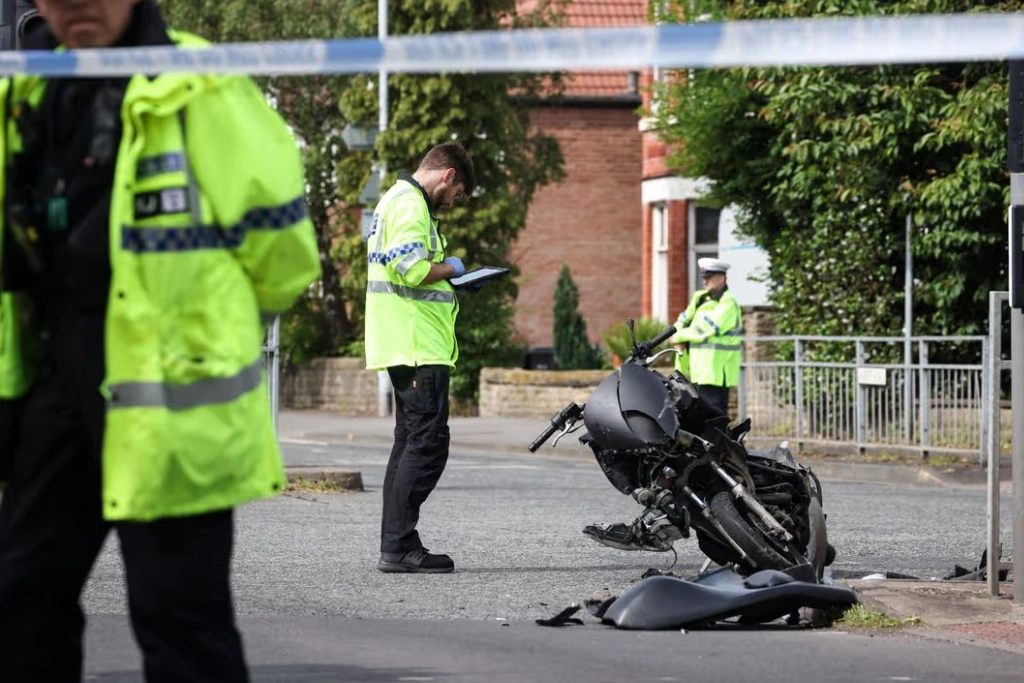
Biker Seriously Injured By Dangerous Driver Awarded Five Figure Settlement
Share this article
Gildeas Solicitors secured a five-figure settlement for a client who was seriously injured in a road accident with a dangerous driver.
Read on to learn how our Senior Claims Handler in the Bike Team, Jim Donaldson successfully represented our client in this case.
What happened in the accident
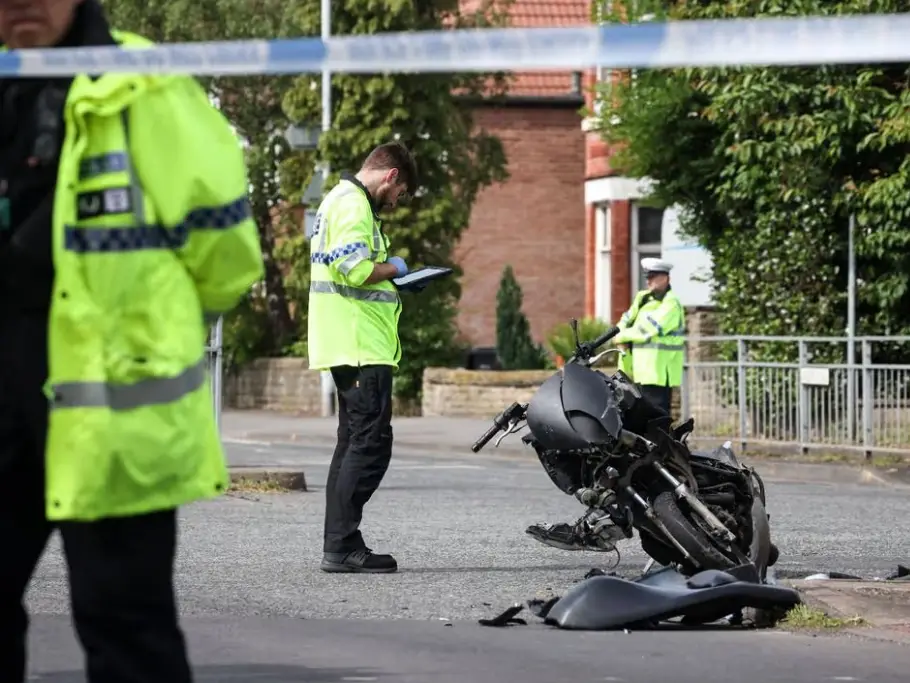
Back in August 2025, our client, a retired male aged 82 was headed to a weekly meetup with other bikers. He was slowing down coming up to a junction, when a taxi approached from the opposite direction and without signalling, suddenly turned right across his path.
He had no time to get out of the way and collided with the taxi’s front wing mirror. He was thrown off, twisted, and ended up with his leg trapped between the taxi and his bike.
Police and ambulance attended and he was rushed to hospital.
He ultimately suffered from an ankle fracture, a broken leg, soft tissue injuries and bruising to his head, ankle, scalp, shoulder, and thigh. His bike was eventually deemed a total loss, with his helmet & boots destroyed too.
How Gildeas helped with support and treatment
Our client had a plaster cast and later, a ‘moon boot’ fitted. However, he continued to suffer from ongoing pain in his leg for several months. Care was provided by his wife, which also significantly affected their daily activities and family life.
The ongoing symptoms led to our client attending physiotherapy which helped to alleviate symptoms. Gildeas later arranged for an independent medical appointment where further physiotherapy was recommended to strengthen the limb.

The outcome of the case
Immediately following our client getting in touch, we began our investigations. This took some time as we awaited responses from the third party’s insurers.
Further investigations took some weeks regarding the recovery and storage costs of the bike while it was awaiting to be confirmed as written off.
Eventually, the third party admitted fault in early June 2026, almost a year after the accident.
After this, things moved quickly and a settlement offer arrived in mid-June 2026. The final damages awarded gave fair compensation for our client’s injuries, treatment, loss of earnings, and resulting quality of life.
The settlement agreed amounted to over £16,000 – with £15,000 of this designated towards his injuries, and the remainder attributed for the damaged protective clothing and inconvenience to his daily life.
Our client was satisfied with this, and the offer was accepted in late June 2026 – meaning the process was complete in less than a year.
In our client’s words
“Thank you to Jim and the team for looking after my claim which was handled very professionally from start to finish. They were excellent at keeping me informed of my claim’s progress throughout.
I’m happy to report I’m now completely pain free from the injuries I received in the accident, and even at 82 I’m still an enthusiastic biker – and I’ve already replaced my bike and kit, albeit with a dashcam for my bike now.”
In conclusion
At Gildeas Solicitors, we specialise in supporting injured motorcyclists and their families through some of the most difficult times in their lives.
If you or someone you know has been involved in a motorcycle accident, contact our team about making a motorcycle accident claim today.
The right legal advice could make all the difference.
Claim smarter.
Access our free how-to guide on making a personal injury claim.
Jargon free and designed for you.
Gildeas Solicitors is a recognised law firm specialising in personal injury claims, supporting you throughout Scotland from our offices in Glasgow and Edinburgh. We’re passionate about what we do, whilst putting our clients’ interests first. That’s why we make personal injury personal.
Considering our services? Call our dedicated team today on 0141 331 6070.
More to explore
Accident Claim FAQs: Expert Answers from Personal Injury Solicitors in Scotland
Share this guide
If you’re thinking about making a personal injury claim, you probably have questions before deciding whether to speak to a solicitor. From understanding how claims work to finding out what they might be worth, knowing where to start can make the accident claim process feel much clearer.
Our personal injury solicitors answer some of the most common FAQs we receive from people across Scotland. Whether you’ve recently been involved in an accident or are simply exploring your options, this guide provides straightforward answers to help you make an informed decision with confidence.
In this guide, our personal injury solicitors answer the questions we are asked most often about making a personal injury claim in Scotland, including costs, compensation, the claims process, communication and what happens if you decide not to continue.
- How do you decide if my personal injury claim is worth pursuing?
- If you don’t take on my personal injury claim, what should I do?
- How much does making a personal injury claim cost?
- What experience do you have with my type of personal injury claim?
- I’ve never done this before – will someone guide me through the process?
- Can I easily get a hold of someone if I have questions? How often will you contact me and how?
- How much will I get?
- I changed my mind and don’t want to claim anymore. What happens next?
How do you decide if my personal injury claim is worth pursuing?
After speaking with you about the details, we’ll assess your case based on:
- The type of case. We only specialise in pursuer personal injury claims.
- If it happened in Scotland. We can only work under the jurisdiction of Scots law.
- If the accident happened in the last 3 years. If not, we can’t take it on as 3 years is the time limit set by law. See: How long do you have to make a personal injury claim?
- The accident details. Some reasons a claim might not be viable: no one was injured, there isn’t enough evidence to prove exactly what happened, or if the accident was 100% your fault.
If you don’t take on my personal injury claim, what should I do?
You can contact another solicitor to see if they’ll take on your case. The best way to do this is to use the Law Society of Scotland’s Find A Solicitor tool.
What experience do you have with my type of personal injury claim?
We have been specialising in pursuer personal injury claims since we first opened under the name Gildeas Solicitors in the 1980s. Our dedicated team have dealt in a broad spectrum of injury claims for decades, covering everything from minor bumps to complex accidents resulting in six-figure settlements.
We are grateful to have specialist trauma-informed lawyers, capable of navigating your claim with empathy and compassion. We’re also lucky to have access to our in-house Solicitor Advocate, Fergus Thomson – meaning we’re able to represent clients in some of the highest courts in Scotland.
- Cycling accidents
- Motorbike accidents
- Complex and fatal injury claims
How much does making a personal injury claim cost? What is your fee arrangement?
We work on a no-win, no-fee basis – also called a conditional fee agreement.
This means we only ask for a fee if your case is successful. You should know that all Scottish personal injury solicitors fees are capped, in keeping with the law.
On occasion, we might ask for an initial fee to offset costs. For example, in particular medical negligence cases where a more extensive or specialised medical report is required before the case can begin.
We will always be upfront about such costs if this applies to your case.
I’ve never done this before – will someone guide me through the process?
Most of our clients have never needed a solicitor before, so we know it can give some anxiety when you’re new to the process.
You will have one person dealing with your claim from start to finish.
This means that unlike a bigger firm where you could potentially have a revolving door of personnel handling your case, we can get to know you and tailor our service to your specific needs – and we can act more quickly for you too.
Your dedicated case handler will explain what’s happening throughout every step.
Plus, we also have easy to follow guides on what happens next in your personal injury claim, so you’re never left guessing.
Can I easily get a hold of someone if I have questions about my personal injury claim? How often will you contact me and how?
We aim to answer new enquiries within 24 hours (unless there’s a public holiday, etc). We’ll contact you in whatever way works best for you.
Most of our clients prefer phone or email, but we also use Whatsapp or text.
Do I need to give evidence?
Yes, we need evidence to prove your case. We also legally need proof of ID to show who you are. This can look like:
-
- An official signed written statement of what happened
- Photos of damage done to your vehicle, photos or receipts of damaged kit such as bike helmets, photos of your injuries, photos of road defects or faults
- Medical evidence such as your GP records, hospital discharge notes, etc
- Bank statements, receipts, or other evidence – used for example if you hire a vehicle
- Payslips, or if you’re self-employed then evidence of your accounts to show if you lost earnings
- Drawings or diagrams of the accident location, etc
You can send this by email or let us know over the phone.
Will I need to go to a medical appointment? Why?
It’s very likely, yes. We need to find out how badly you were injured, how long your injuries affected you for, and if there are any ongoing symptoms that will remain throughout your life.
We do this by asking an independent medical examiner to meet with you.
How much personal injury compensation will I get?
This is one of the most common questions we get asked, and understandably so. Unfortunately, there’s no simple answer.
How much you receive depends on many factors – the seriousness of your injuries, how long you suffered for, and whether you’ve taken time off work, to name just a few.
For more detail, check our post: How much will I get?
I changed my mind and don’t want to claim anymore. What happens next?
Yes, we have a cooling off period which you’re legally entitled to. However – if you’re past the cooling off period, you may be charged for any work we’ve undertaken in your case.
You can read more in our Terms & Conditions.
I’m not happy. Can I switch solicitors?
Legally, you can only be represented by one firm of solicitors.
We would always ask that you direct any feedback to your file handler who is your first point of contact. If you want to raise anything further, you can find contact details for our legal team here: Meet the team.
You should contact your claim handler in the first instance if you would like to discuss your case or if you have any questions.
You can contact them via email or by calling 0141 331 6071 followed by their extension.
Got a general query? Fill out our contact form or call 0141 331 6070.
This list is not exhaustive and is intended as an informative guide to the process of making a personal injury claim at Gildeas Solicitors only. Our claims process will differ in every case, as it is entirely dependent on your individual circumstances.
We act only for the pursuer and take instructions from them on a no-win, no-fee basis.
Gildeas Solicitors is a recognised law firm specialising in personal injury claims, supporting you throughout Scotland from our offices in Glasgow and Edinburgh. We’re passionate about what we do, whilst putting our clients’ interests first. That’s why we make personal injury personal.
Considering our services? Call our dedicated team today on 0141 331 6070.
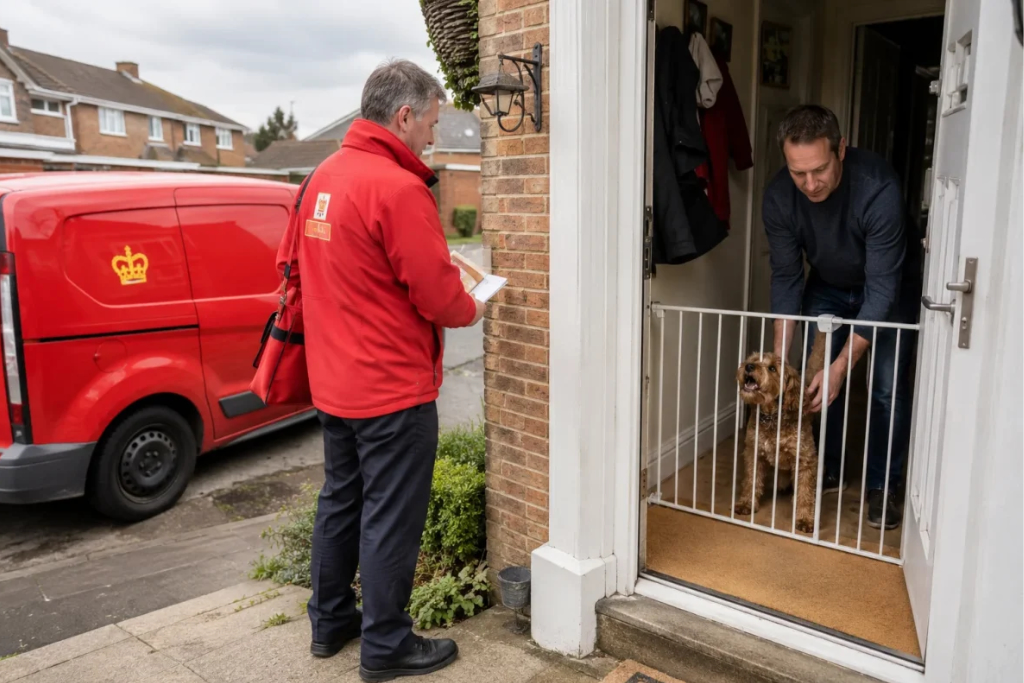
42 Postal Workers Bitten Every Week: Dog Awareness Week 2026
Share this article
For thousands of postal and delivery workers across the UK, their job comes with a risk that many people rarely think about until an accident happens.
That’s why Royal Mail’s annual Dog Awareness Week 2026 is a timely reminder that even the friendliest family pet can become unpredictable when someone approaches the front door.
Read on as we highlight what’s behind the rising number of dog bite accidents, what support is available, and how simple steps from dog owners can help keep everyone safe.
Dog Awareness Week 2026 will run from 6th – 12th July
According to Royal Mail, its employees reported 2,197 dog attacks during the 2024 to 2025 financial year.
That means around 42 postal and delivery workers are attacked every week across the UK, with roughly seven incidents taking place on each working day.
This year, while the number of reported attacks has remained consistently high, every dog bite accident is one too many.
Some of these attacks have resulted in permanent or life changing injuries. When an attack takes place, they must report the incident to police – and even suspend deliveries to the address until it’s safe for staff to return.

Why do dog bite accidents happen?
Many dogs naturally become protective when someone approaches their home. Even well-trained pets can react unexpectedly if they feel startled, anxious, or territorial when the doorbell goes.
Common situations that can lead to a dog bite include:
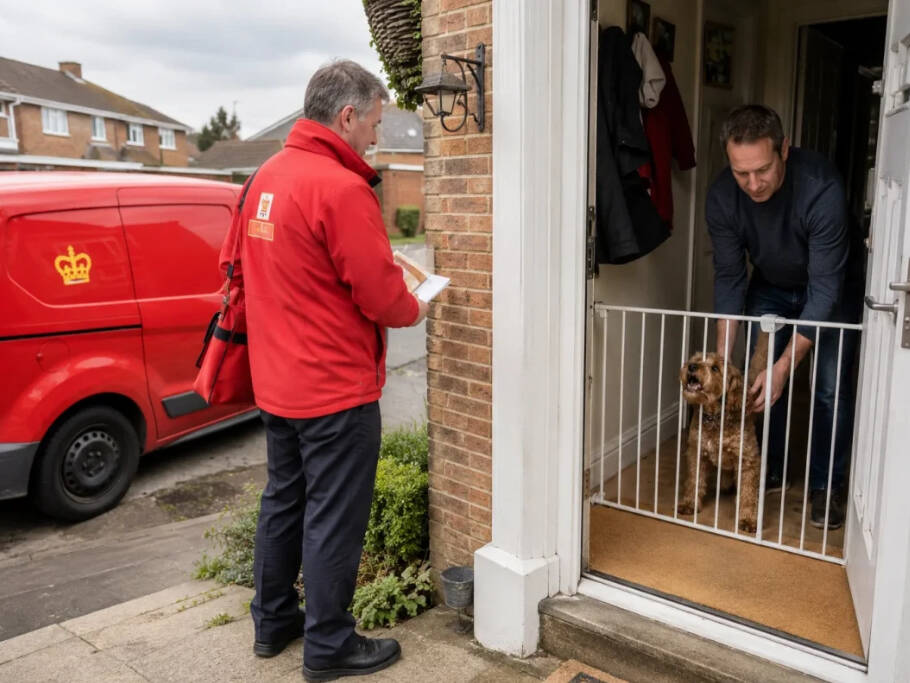
- Opening the front door before securing your dog
- Allowing a dog to run into the front garden during delivery times
- Letterboxes positioned where dogs can reach hands or fingers
- Assuming a dog has become familiar with the regular postie
While owners might know their dog’s temperament, postal and delivery workers don’t have that reassurance. Every delivery presents a new situation, making caution essential.
The impact of dog bite accidents on postal and delivery workers
A dog bite can leave far more than physical injuries. Victims can experience lasting pain, nerve damage, infections, scarring or psychological trauma such as PTSD that affects both work and daily life.
For postal and delivery workers, an injury can also mean time away from work, reduced earnings and ongoing rehabilitation. In the most serious cases, returning to the job might no longer be possible.
Can you claim compensation after a dog bite?
If you’ve been injured by a dog while carrying out your work, you may be entitled to make a compensation claim if the attack resulted from someone else’s negligence.
At Gildeas Solicitors, we understand that being involved in an accident can be traumatic, and making a claim might seem overwhelming. However, securing compensation can play an important role in helping you move on.
It can provide access to medical treatment, rehabilitation, support with adapting your home or lifestyle where needed, and help offset any loss of earnings, whether temporary or long term.
Some dog bite claims may involve breeds that are prohibited in the UK.
If the attack involved a banned breed, this could strengthen the circumstances surrounding a claim. These include:
- Pit Bull Terrier
- Japanese Tosa
- Dogo Argentino
- Fila Brasileiro
- XL Bully
Every case is different, which is why obtaining legal advice as early as possible can help you understand your rights and the options available to you.
How dog owners can help keep everyone safe during Dog Awareness Week
Blaming responsible owners isn’t the aim of Dog Awareness Week. Royal Mail’s campaign encourages dog owners to take simple steps that can prevent serious injuries to delivery staff and protect their pets at the same time.
Practical steps include:
- Keep your dog in another room before opening the front door
- Make sure gates and garden fences are secure
- Prevent your dog from accessing the letterbox
- Let those at home know when deliveries are expected
- Continue training and socialising your dog throughout its life
These simple habits can help prevent painful injuries, reduce stress for postal workers, and avoid unnecessary consequences for dogs.
Conclusion
Dog Awareness Week 2026 highlights an issue that affects thousands of postal and delivery employees every year. Behind every statistic is a person who simply went to work and suffered an injury that could often have been prevented.
But by working together, dog owners and postal workers can create safer deliveries, protect beloved pets and reduce the number of dog bite accidents across the UK.
If you’ve suffered a dog bite while working as a postal worker or delivery driver, Gildeas Solicitors can provide clear legal advice on your options for pursuing compensation.
Our experienced personal injury team understands the impact these incidents can have on your health, finances and future, and we’re here to help you secure the support you need to move forward with confidence.
Claim smarter.
Access our free how-to guide on making a personal injury claim.
Jargon free and designed for you.
More from Gildeas:
Gildeas Solicitors is a recognised law firm specialising in personal injury claims, supporting you throughout Scotland from our offices in Glasgow and Edinburgh. We’re passionate about what we do, whilst putting our clients’ interests first. That’s why we make personal injury personal.
Considering our services? Call our dedicated team today on 0141 331 6070.
More to explore

Injury Awareness Week 2026
Share this article
Nobody expects a phone call that changes their life.
A serious injury doesn’t end with the person who was hurt. It reaches further and affects our loved ones, carers, and support networks. It changes our routines, relationships, and futures.
The injury might happen in a short moment. But the consequences last for years.
For #InjuryAwarenessWeek, this year’s campaign focuses on the ripple effect of injury and the people whose lives are changed alongside it.
Injury Awareness Week 2026 will run from 22nd – 26th June
Injury Awareness Week 2026 aims to raise awareness and give insight into the impact of needless injuries on victims and their families. The campaign is run by the Association of Personal Injury Lawyers (APIL), a national organisation working to make a difference for injured people across Britain.
The APIL’s mission is for a future without needless injuries. We can’t pre-empt every single accident, but injuries caused by someone else’s negligence can and should be prevented.
During this week, we ask people to consider the often catastrophic impact of avoidable injuries, as well as thinking about what we all can do to prevent people from being injured in the first place.
The ‘ripple’ effect of serious injury
This year’s campaign shines a light not only on the challenges faced by injured people, but also on the wider impact on our families, carers and support networks who are often affected too.
The APIL said of this year’s campaign, “More than 430,000 people were injured by negligence last year in the UK, including at work, on the roads, in public spaces, and during medical treatment.
For each one of those injured people, there are several people around them picking up the pieces and feeling the knock-on effect of negligence.”
Our role during Injury Awareness Week
At Gildeas Solicitors, we’ve seen countless preventable accidents resulting from negligence, whether it be from inattentive drivers, employers, in a clinical setting, or in a public place.
The outcome remains the same – a person’s life has been turned upside down, and maybe had its course altered forever, because someone else did not take proper care.
Injuries caused by negligence can be prevented, but it takes a collective effort and a commitment to safety.
Personal injury law provides compensation so that injured victims of negligence can rebuild their lives as best they can. That’s where we come in.
At Gildeas, we’re proud to champion this cause and strive towards a future where people feel safe – and their loved ones too.
Claim smarter.
Access our free how-to guide on making a personal injury claim.
Jargon free and designed for you.
Gildeas Solicitors is a recognised law firm specialising in personal injury claims, supporting you throughout Scotland from our offices in Glasgow and Edinburgh. We’re passionate about what we do, whilst putting our clients’ interests first. That’s why we make personal injury personal.
Considering our services? Call our dedicated team today on 0141 331 6070.
More to explore

Personal Injury Solicitors Warn These Summer Accidents Are More Common Than You Think
Share this article
Summer is a time for quality time, trips abroad, and outdoor fun – but it’s also one of the most dangerous seasons when it comes to personal injury claims.
With the spike in outdoor activities and travel, the summer months often see a rise in accidents that can leave victims facing painful injuries, lost wages from missed work, and the stress of trying to get back to normality.
From public parks to holiday hotspots, these are the accidents that lead to personal injury claims every summer.
Think summer is the safest time of year? These accident statistics tell a different story
Many people feel that UK holidays are safer because we’re closer to home and can access the NHS if something goes wrong. But is that really the truth?
It’s not always the case. The summer months can be a hectic time for A&E departments, with NHS Scotland recording 264,899 total admissions in 2025 – a 3% increase from the previous year.
Illnesses related to the warmer weather are of course contributing to some of these numbers.
But we see also see a rise in injuries caused by negligence – and the types of accidents that happen are as varied as our summer destinations. For example:
Summer means more people on the road – holidaymakers and tourists, younger drivers on breaks from school or uni, and families headed to national parks to name a few examples.
This increase in traffic naturally leads to more accidents. Other reasons for the increase in collisions can be stress and fatigue from travel, speeding, or driving in unfamiliar areas.
Motorbike and cycling accidents

Longer days and warmer weather encourage people to get out on two wheels. Unfortunately, bikers and cyclists are much more vulnerable than other road users meaning a rise in these types of accidents at this time of year.
The festival period tends to fall in the summer months which is a common place for slips and trips with the combination of crowds, uneven ground and alcohol consumption.
Lots of us may also spend more time at the swimming baths where floors are wet and injury is likely to occur.
Nature is calling – but the outdoors can be unpredictable. Playgrounds, parks, farms and activity centres all increase in visitors during the warmer months.
Summer activities can also result in getting into trouble in the water, or equipment-related injuries. Poorly maintained tour routes, holiday parks, and camping sites can cause injuries too.
Dog bite accidents and animal attacks
Better weather means more people bring their pets out during summer, increasing the chances of dog bites or attacks, especially in public parks or scenic areas.
Many summer accidents happen during everyday activities, but knowing your rights could make all the difference
Sometimes we take more risks on holiday – what the Safer Tourism Foundation calls “holiday head”. However, if you were injured because someone else failed in their duty of care, you may be entitled to make a claim.
Gildeas Director Emma Thomson says, “Under the Occupiers’ Liability Act 1957, local councils and private property owners have a duty to keep visitors to their premises as reasonably safe as possible.”
They can be held liable for injuries due to negligence – meaning you might be able to make a claim for injuries you’ve sustained as a result of using faulty equipment or inadequate supervision.
If an accident spoils your summer plans, knowing the right steps to take could help protect a future claim
At Gildeas Solicitors, we understand how quickly a fun summer can turn into a painful experience.
Whether you’re enjoying a backyard BBQ, heading abroad or just enjoying some of our beautiful scenery at home – it’s important to stay vigilant and know your rights if something goes wrong.
We fight for fair compensation in every personal injury case we take on. With offices in Glasgow and Edinburgh and a robust support team, we’re equipped to take on even the toughest summer injury claims, and we don’t get paid unless you win.
Claim smarter.
Access our free how-to guide on making a personal injury claim.
Jargon free and designed for you.
Gildeas Solicitors is a recognised law firm specialising in personal injury claims, supporting you throughout Scotland from our offices in Glasgow and Edinburgh. We’re passionate about what we do, whilst putting our clients’ interests first. That’s why we make personal injury personal.
Considering our services? Call our dedicated team today on 0141 331 6070.
More to explore
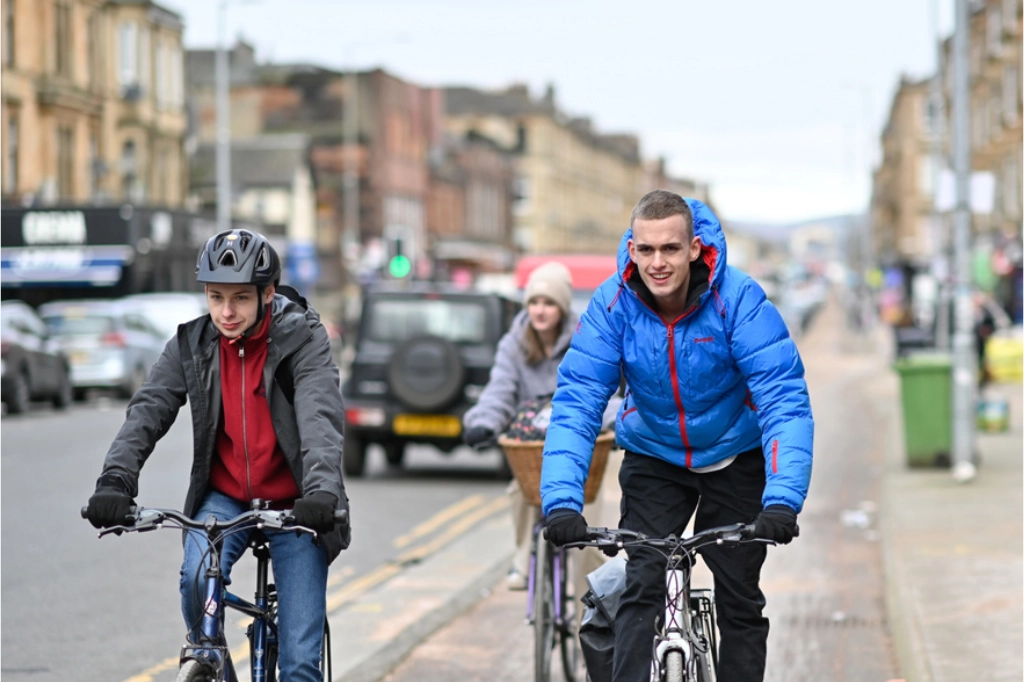
What's Really Fuelling Tension on Scotland's Roads? World Bicycle Day 2026
Share this article
Every year on 3rd June, World Bicycle Day celebrates the bicycle as a simple, sustainable, and accessible form of transport.
Yet as cycling continues to grow across Scotland and the wider UK, so too does a challenging conversation about how cyclists, motorists, pedestrians, and other road users coexist safely.
For World Bicycle Day 2026, it’s worth examining a growing issue that affects communities across the country, particularly in cities like Glasgow: the increasing division between cyclists and other road users.
While debates around road space, cycling infrastructure, and road safety often become heated, the reality is that everyone benefits from safer roads and greater mutual understanding.
Rising Cycling Accidents Highlight Safety Concerns
Recent figures have brought renewed attention to the risks faced by cyclists on Britain’s roads. During 2025, more than 4,300 people were killed or seriously injured while travelling on two wheels, representing a 14% increase compared to 2024 – the fastest annual rise recorded in the past decade.
At the same time, overall road casualties increased by 4% in 2025, although long term trends still show a slight decline in fatalities and serious injuries. One factor discussed by road safety experts is the deteriorating condition of roads across the UK.
Potholes have become a major concern for motorists and cyclists alike. While drivers often face costly vehicle repairs, cyclists are particularly vulnerable. A damaged road surface that might result in a puncture for a car can cause a cyclist to lose control, leading to serious injury.
In many cases, poor road maintenance presents a shared risk that affects all road users, regardless of how they travel.
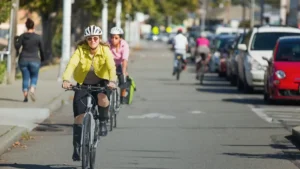
Glasgow’s Changing Streetscape
The discussion surrounding cycling infrastructure has become increasingly visible in Glasgow as the city continues to invest in new cycle lanes and active travel routes.
Supporters argue that dedicated cycling infrastructure improves safety, encourages healthier lifestyles, reduces congestion, and helps meet environmental targets. However, not everyone agrees with the approach.
Research into public attitudes towards cycling infrastructure has found that the strongest opposition often is less about cyclists themselves and more about the execution. Many critics argue that public funds would be better spent addressing issues such as potholes and road maintenance before investing in additional cycle lanes.
These concerns are understandable, particularly given the poor condition of many roads across Scotland. However, framing the debate as a choice between motorists and cyclists risks overlooking a simple reality: both groups rely on safe, well-maintained infrastructure.
Understanding the Growing Divide
The relationship between cyclists and drivers has long been a source of debate. In recent years, social media, local news coverage, and online discussions have often amplified frustrations on both sides.
Many drivers feel cyclists should make greater use of dedicated cycle lanes where available. Cyclists, meanwhile, often point to concerns about poorly designed routes, safety issues, and infrastructure that doesn’t provide a practical journey from start to finish.
Another common misconception is that cyclists don’t contribute towards the roads they use. In reality, roads are funded through general taxation, meaning cyclists, motorists, and pedestrians all contribute to the infrastructure they rely upon.
Equally, accusations that cyclists routinely ignore the rules of the road are often met with the argument that dangerous behaviour is not exclusive to any one group. Whether it’s speeding, distracted driving, cycling through red lights, or unsafe overtaking – poor decisions can be made by individuals regardless of their chosen mode of transport.
The challenge is that negative experiences tend to leave a lasting impression. A motorist delayed by a cyclist may develop frustration towards cyclists generally. Similarly, a cyclist subjected to a dangerous close pass may become distrustful of drivers as a whole.
Neither perception accurately reflects the majority of responsible road users.
The Impact of Food Delivery Cyclists
Another factor contributing to tensions in urban areas is the growth of app-based food delivery services. The rise in delivery workers using e-bikes and scooters has changed the way many people experience city centre roads and pavements.
Incidents involving delivery riders have attracted public attention and, in some cases, have fuelled perceptions that cyclists are becoming less considerate or more dangerous. Unfortunately, this can lead to unfair assumptions about cyclists as a whole.
The vast majority of people who cycle, whether for commuting, leisure, exercise, or work, are simply trying to travel safely from one place to another. Isolated incidents involving a minority of riders shouldn’t define perceptions of an entire group.
Finding Common Ground
For all the disagreements that exist, there is considerably more common ground than many people realise.
Most drivers also cycle at some stage in their lives. Many cyclists are motorists themselves. Both groups want roads that are properly maintained, clearly designed, and safe to use.
Reducing conflict requires effort from everyone. Drivers can help by:
- allowing adequate space when overtaking cyclists,
- remaining patient in congested areas,
- and recognising the vulnerability of those travelling on two wheels.
Reducing conflict requires effort from everyone. Drivers can help by:
- following the Highway Code,
- using appropriate infrastructure where practical,
- and showing consideration for other road users.
Local authorities also have an important role to play through investment in road maintenance, thoughtful infrastructure planning, and public education campaigns that promote shared responsibility.
World Bicycle Day 2026: A Shared Responsibility
As World Bicycle Day 2026 reminds us, cycling remains an important part of a modern transport network. Regardless of how you travel, every road user has a role to play in creating safer and more respectful streets.
At Gildeas Solicitors, we understand the serious impact cycling accidents can have on individuals and families.
If you’ve been injured in a cycling accident caused by another road user, dangerous road conditions, or inadequate road maintenance, our dedicated cyclist injury team can provide expert legal advice and support.
This World Bicycle Day, the conversation shouldn’t focus on motorists versus cyclists. Instead, it should centre on how we can reduce cycling accidents, improve road safety, and ensure that everyone can travel with confidence.
Claim smarter.
Access our free how-to guide on making a personal injury claim.
Jargon free and designed for you.
Gildeas Solicitors is a recognised law firm specialising in personal injury claims, supporting you throughout Scotland from our offices in Glasgow and Edinburgh. We’re passionate about what we do, whilst putting our clients’ interests first. That’s why we make personal injury personal.
Considering our services? Call our dedicated team today on 0141 331 6070.
More to explore
Business As Usual? World Day for Safety and Health at Work 2026
Share this article
World Day for Safety and Health at Work 2026 explores safe and healthy working environments as an essential principle and a legal right.
Observed each year on 28th April, the day helps to raise awareness around the prevention of accidents at work and ill health globally.
Read on as we discuss this year’s theme and detail a case study from a Gildeas client who sustained a life-changing injury at work.
Why do we have a World Day for Safety and Health at Work?
The International Labour Organization (ILO) started the initiative in 2003 to promote safe and healthy work across the world. Every year, they highlight how creating and upkeeping a strong health & safety culture can help reduce the number of work-related deaths and injuries.
And the statistics are shocking:
- Globally, 2.93 million workers die each year as a result of work-related factors*
- 395 million workers sustain a non-fatal injury at work every year
- In the UK, 40.1 million working days were lost due to work-related illness and injury**
- And 964,000 people reported suffering from work-related stress, depression or anxiety
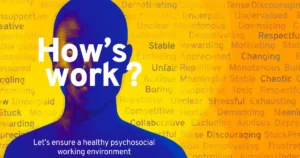
This year’s theme for World Day for Safety and Health at Work is on ensuring a healthy psychosocial environment. A psychosocial environment is another way to refer to your everyday working conditions – for example organisational practices, and how your work is designed and managed. This could be things like your working hours, workloads, amount of support, and if your work has fair and transparent processes.
All of these factors strongly influence how employees experience work, affecting their safety, health and performance.
Some examples of common issues affecting workers:
- Long working hours with no breaks
- Lack of communication and transparency at work, leading to job insecurity or doubt over job roles
- Broader work culture – policies such as monitoring and supervision, lack of procedures to prevent workplace bullying and harassment, or performance & reward processes
- Excessive workloads – high demands, little access to resources, expectations or work pace. This leads to stress causing ill health, cardiovascular diseases, and poor mental health
Psychosocial risks arise from these factors.
How Gildeas Solicitors can help
Gildeas frequently represent clients who have sustained life-changing injuries as a result of accidents at work.
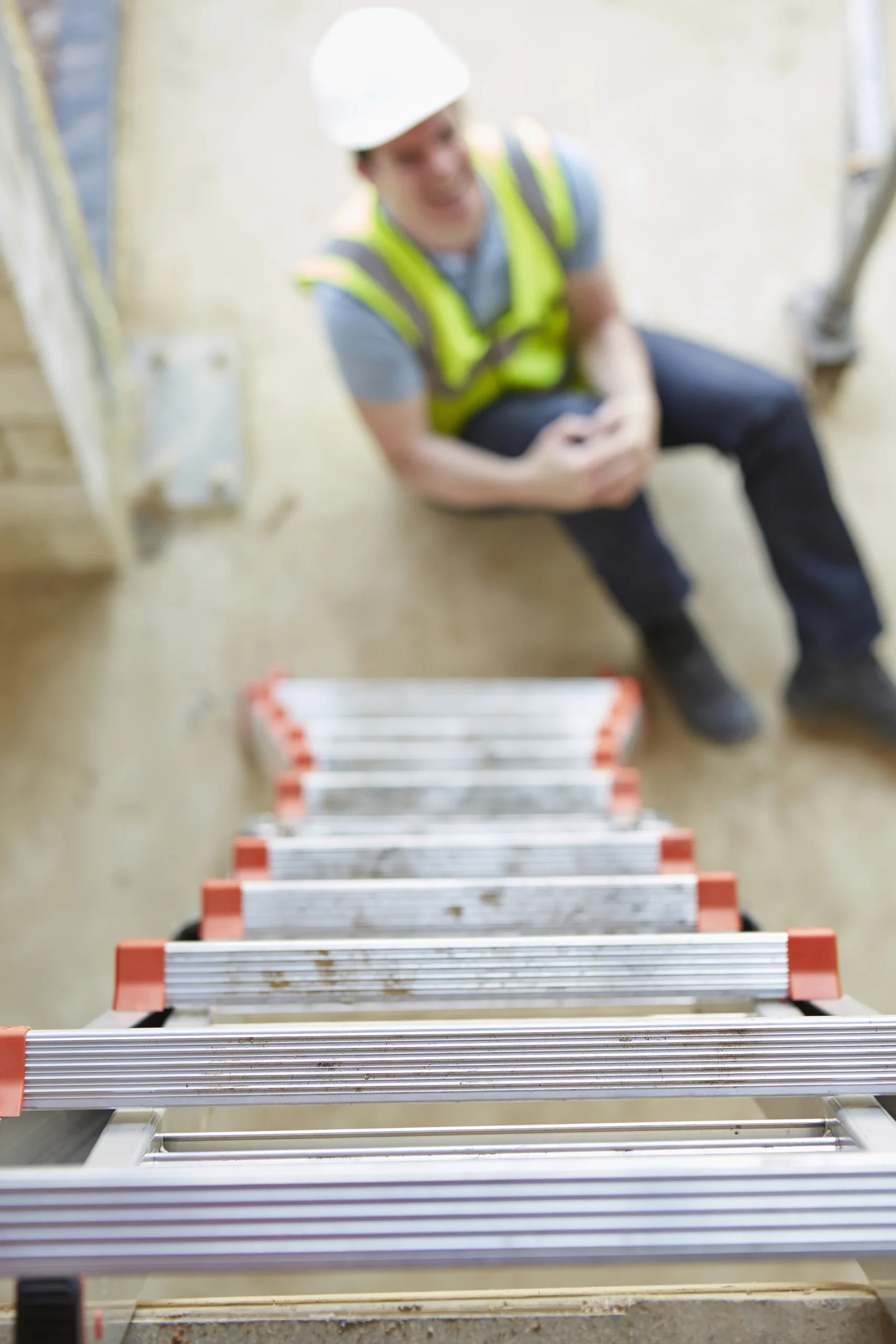
In 2022, Gildeas settled a case on behalf of a client who was employed at an abattoir as a hygiene and line operative. As a result of poor training policies and defective emergency stop buttons on the line, our client suffered a 2cm incision from an accident with a knife. The wound left scarring and psychological symptoms.
Two years later, we represented a separate client employed as a butcher at the same abattoir. Due to poor risk management procedures and a lack of PPE, our client was left with severe lacerations, swelling and bruising which left permanent scarring after he was kicked in the face by a cow.
In both cases, our clients were unable to return to work. Gildeas Director and certified personal injury specialist, Emma Thomson assisted both men and recovered significant provision for their loss of earnings and rehabilitation needs.
World Day for Health and Safety aims to prevent accidents like this by identifying and mitigating risks early. By raising awareness, we hope workplaces can reflect on the importance of safe and healthy working environments, and how we continue to evolve our practices to protect employees.
How do I know if I can claim for an accident at work?
You should take advice from your solicitor. A good solicitor can inform you if your accident circumstances mean you’re eligible to make claim.
Our team deal with hundreds of individuals and businesses alike in accident at work claims.
So, if any of the above sounds familiar to you and you need some help, please contact our specialist personal injury lawyers today.
If you or a loved one is suffering, don’t hesitate to ask for support.
* Figures from International Labour Organisation, 2023
** Figures from Health & Safety Executive, 2024 – 2025
Claim smarter.
Access our free how-to guide on making a personal injury claim.
Jargon free and designed for you.
More from Gildeas:
- Off Work And Skint: How We Recover Your Loss of Earnings
- How Much Will I Get? And 9 Other Questions About Personal Injury Compensation
- What Happens Next In Your Personal Injury Claim
- FAQs
Gildeas Solicitors is a recognised law firm specialising in personal injury claims, supporting you throughout Scotland from our offices in Glasgow and Edinburgh. We’re passionate about what we do, whilst putting our clients’ interests first. That’s why we make personal injury personal.
Considering our services? Call our dedicated team today on 0141 331 6070.
More to explore
Credit Hire in Personal Injury Claims: How It Works And What to Expect
Share this article
After a car accident, one of the first concerns many drivers face is losing their car.
At Gildeas Solicitors, we understand that after an accident, getting moving and back to your day to day is absolutely critical.
Credit hire services can be a way of solving this problem, offering a temporary vehicle without any expensive upfront costs. But while this service is vital, credit claims need to stand up to being scrutinised in court.
Read on as we explain the key points you need to know.
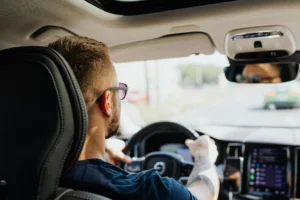
What is credit hire?
Credit hire is not a company car.
If your vehicle was damaged or written off due to an accident that wasn’t your fault, instead of going to your insurers, you might choose a credit hire company.
They will supply you with a vehicle on a ‘credit’ basis (i.e., a loan) whilst yours is being repaired, or if it’s written off.
What are the benefits of credit hire?
- The innocent person involved in a road traffic accident doesn’t need to make a claim on their insurance and pay an excess – which can be expensive, depending on your policy.
- In most situations, there is no upfront cost. This makes it an attractive option for people who can’t afford to lose their vehicle, or who can’t afford the expense of an alternative.
- A replacement vehicle from a credit hire company usually arrives more quickly than one from your insurers.
- Credit hire companies sometimes have additional benefits, e.g., the company pay to clean the car whilst you have it, or they might give you a small payment towards fuel.
- Credit hire companies also tend to have a larger source of vehicles, so you’re more likely to get a similar vehicle to your own.
How does credit hire work?
Most personal injury solicitors work in partnerships with credit hire companies to offer this service.
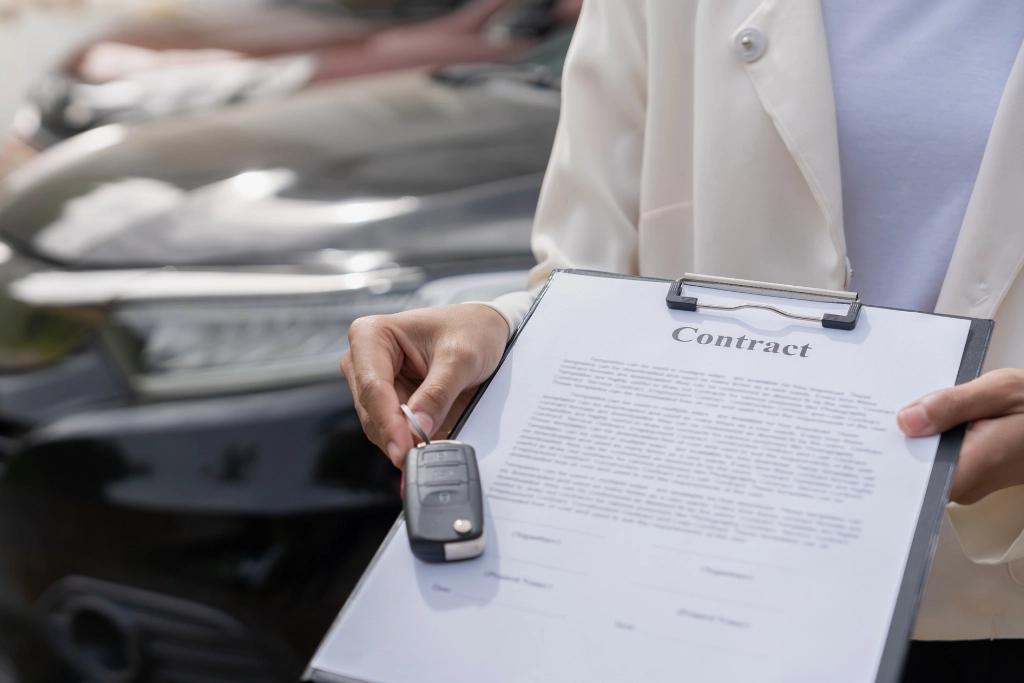
You’ll be asked to sign a credit hire agreement with a credit hire company before receiving the replacement vehicle.
The costs of hiring a vehicle are factored in as a part of your claim and recovered from the insurance company of the driver you’re making a claim against.
Key points in proving a credit hire claim:
It’s your solicitor’s responsibility to justify to the court why you needed to hire a vehicle.
That’s why it’s essential that you give accurate information to your solicitor and the credit hire company. You should check both the agreement and their T&Cs before you sign anything.
If your solicitor can’t 100% prove why you needed a hire vehicle, this part of your claim could fall through.
Unfortunately, by law this means that you are then responsible for the costs of hiring the replacement vehicle.
Mitigating your losses in credit hire claims
In personal injury law, there’s a rule which means that when making a claim, you still have a responsibility to make sure any losses you’ve incurred are as minimal as possible – whether it was financial, your injuries, or otherwise.
This is called mitigating your losses and it also applies to credit hire claims. Your solicitor will need to prove to the court why the credit hire costs were reasonable, for example:
Duration:
Even if your solicitor can prove that you 100% needed to hire a vehicle, they also need to justify if the length of time it was hired for was reasonable. If there are unnecessary delays, this could be picked up on by the other side.
Vehicle hire rates:
The court decides on how much of the hire costs to award you. It usually makes this decision based on your income. It’s your solicitor’s job to provide evidence about this. For example, if you couldn’t afford to pay the upfront costs for a hire car, then the court is more likely to award you the full hire costs. The legal term for this is “impecunious”.
But if you had plenty of cash coming in or significant savings in the bank, the court would expect you to have footed the bill to hire a replacement car. This is called being “pecunious”. Being pecunious means you might only be awarded a basic hire rate, or worse – this part of your claim can fall through.
What can I expect if I make a credit hire claim?
If you take up this service, you’ll probably be faced with questions from your solicitor like:
- Why do you use your car – for work, commuting, etc?
- Was there another family car available to you?
- Could you have paid for a hire car with your own money?
- Could you have paid for repairs to speed up the process?
Your solicitor will ask you for evidence to explain your situation, e.g., bank statements.
It sounds daunting but, with your help and co-operation, your solicitor will likely be able to resolve the matter in an efficient manner.
When should I use credit hire?
You should take advice from your solicitor. A good solicitor can inform you when you can use credit hire, and when you might not be eligible.
In conclusion, credit hire is a necessary service – but it must be fair, reasonable and be able to stand up in court when scrutinised by the other side.
Our credit hire team deal with hundreds of individuals and businesses alike in credit hire claims.
So, if any of the above sounds familiar to you and you need some help, please contact our specialist personal injury lawyers today.
If you or a loved one is suffering, don’t hesitate to ask for support.
Claim smarter.
Access our free how-to guide on making a personal injury claim.
Jargon free and designed for you.
More from Gildeas:
- Impecuniosity: The Little Known Legal Principle That Could Increase Your Compensation
- Mitigation: Could You Lose Out On Compensation Without Realising It?
- Maximising Your Compensation: A Step by Step Guide
- FAQs
Gildeas Solicitors is a recognised law firm specialising in personal injury claims, supporting you throughout Scotland from our offices in Glasgow and Edinburgh. We’re passionate about what we do, whilst putting our clients’ interests first. That’s why we make personal injury personal.
Considering our services? Call our dedicated team today on 0141 331 6070.
More to explore

As A Lawyer For Injured Motorcyclists, This is the Conversation Riders Avoid
Share this article
After years representing injured riders, Stephen Hay knows how quickly a single accident can lead to a traumatic brain injury.
In this guest blog for Brain Injury Awareness Month, he explains the lasting impact these injuries can have and why early support matters.
March is the first month of Spring, but also the time that seasonal bikers start to dust off their kit and get back out on their bikes.
As the year goes on the sound of motorcycle engines becomes more noticeable for the next 6 months or so.
It’s also at this time of year that Gildeas receives more contact from bikers and their families seeking assistance when they have been involved in an accident.
All too often, despite the protection afforded by modern helmets – brain injuries are suffered.
Traumatic brain injuries
No longer does the medical profession note someone was unconscious for a brief period. This is now considered a Traumatic Brain Injury.
With increasing medical knowledge, the immediate impacts of such an injury are now being identified – as are the possible impacts in later life.
Brain injuries of course are not only the preserve of motorcycle accidents. They can also arise from bicycle accidents, pedestrian accidents and workplace accidents. No matter the cause – the impact can be significant.
Such injuries can lead to memory or cognitive loss, reduced concentration and problem solving, personality changes, fatigue, speech issues, loss of co-ordination and mental health issues.
As a consequence, these injuries can have wide ranging impacts on all aspects of life. Employment will no doubt be impacted, as will relationships with family members and friends.
How Gildeas assist with traumatic brain injury
This is why we at Gildeas work closely with rehabilitation providers to try and secure early rehabilitation – as this is shown to provide the best long term outcome.
In the same way that soft tissue can be damaged and needs physiotherapy, we have clear relationships with trauma-informed specialists who provide physiotherapy for the brain, known as neuro-physiotherapists.
They work with the injured person to assist them in getting back as much of their previous abilities as possible.
We understand the issues that arise from brain injuries and the losses that can arise. The Scots Law of damages will put you back in the position you would have been in but for the other side’s fault and negligence – insofar as money can.
Therefore, if your career is affected by the injury and you will not earn as much as you would have had the accident not happened – the difference is recovered. If as a result your pension will be lower – the difference is recovered.
If you will need help with daily tasks – the cost of this is recovered. These losses are losses we would seek to minimise through early treatment and rehabilitation.
Meaning you return as close as possible to the person you were before the accident.
In conclusion
Our experience in dealing with brain injuries allows us to identify the issues and provide solutions.
Every person is different and every person reacts differently to injuries.
We make personal injury personal because nobody goes through what you go through.
_________________________________________________________________________________________
Claim smarter.
Get your FREE guide to personal injury claims!
Gildeas Solicitors is a recognised law firm specialising in personal injury claims, supporting you throughout Scotland from our offices in Glasgow and Edinburgh. We’re passionate about what we do, whilst putting our clients’ interests first. That’s why we make personal injury personal.
Considering our services? Call our dedicated team today on 0141 331 6070.